What you eat and how you sleep shape more than your workouts. They support your mind, mood and body, and help create the conditions for recovery.
A practical guide for busy parents, shift workers and anyone building a healthier routine.
THE EVERYDAY BASICSSimple food. A protected sleep window.
THE WHOLE YOU
HEALTH GOES BEYOND THE MIRROR.
Healthy eating and regular, sufficient sleep work alongside movement, relationships and healthcare. Each supports a different part of daily life.
01 / MENTAL
Focus, learning and clear thinking.
Food provides the energy and nutrients your body needs to function. A varied eating pattern gives you a practical way to meet those needs across the day.
Sleep helps you learn and form memories. Too little quality sleep can make concentration, decision-making and everyday tasks harder. Protecting sleep is part of looking after your mind.
Insufficient sleep can make it harder to manage emotions and cope with change. Enough good sleep supports emotional wellbeing.
Diet may play a supporting role too. In a small trial of adults with depression, dietitian-led improvements to diet helped symptoms alongside existing care. Results vary, and that study does not mean a particular food will treat depression. Food and sleep habits can support care when you need it.
Vegetables, fruit, whole grains and varied protein foods provide nutrients for normal body function. A healthy dietary pattern can also help lower the risk of conditions such as cardiovascular disease.
Sleep supports heart health and the immune system. Consistently short or disrupted sleep is associated with greater health risks, so recovery time deserves a place beside exercise in your routine.
Hormones are chemical messengers involved in appetite, blood sugar, alertness and repair. Sleep and the body clock influence their daily patterns. Inadequate sleep can affect hunger signals, including ghrelin and leptin, and how well the body responds to insulin.
A varied diet helps supply the energy and nutrients the body needs. Sufficient sleep supports normal regulation, but diet and sleep habits cannot guarantee a “hormone reset” or treat a hormonal disorder. Persistent symptoms deserve individual assessment.
Choose habits that fit your budget, preferences and schedule. Small changes can give you something repeatable to build on.
FOOD / BUILD A BALANCED MEAL
Start with a flexible plate.
½¼¼
½ vegetables & fruit
¼ whole grains
¼ protein foods
Canada’s food guide uses these proportions as a reference. They work in bowls, wraps and mixed dishes too; the image is a guide to balance, not a prescribed portion size.
Choose plant proteins more often, such as beans, lentils or tofu. Fresh, frozen and canned foods can all fit. Make water your usual drink and include foods you enjoy.
FOR A BUSY DAY
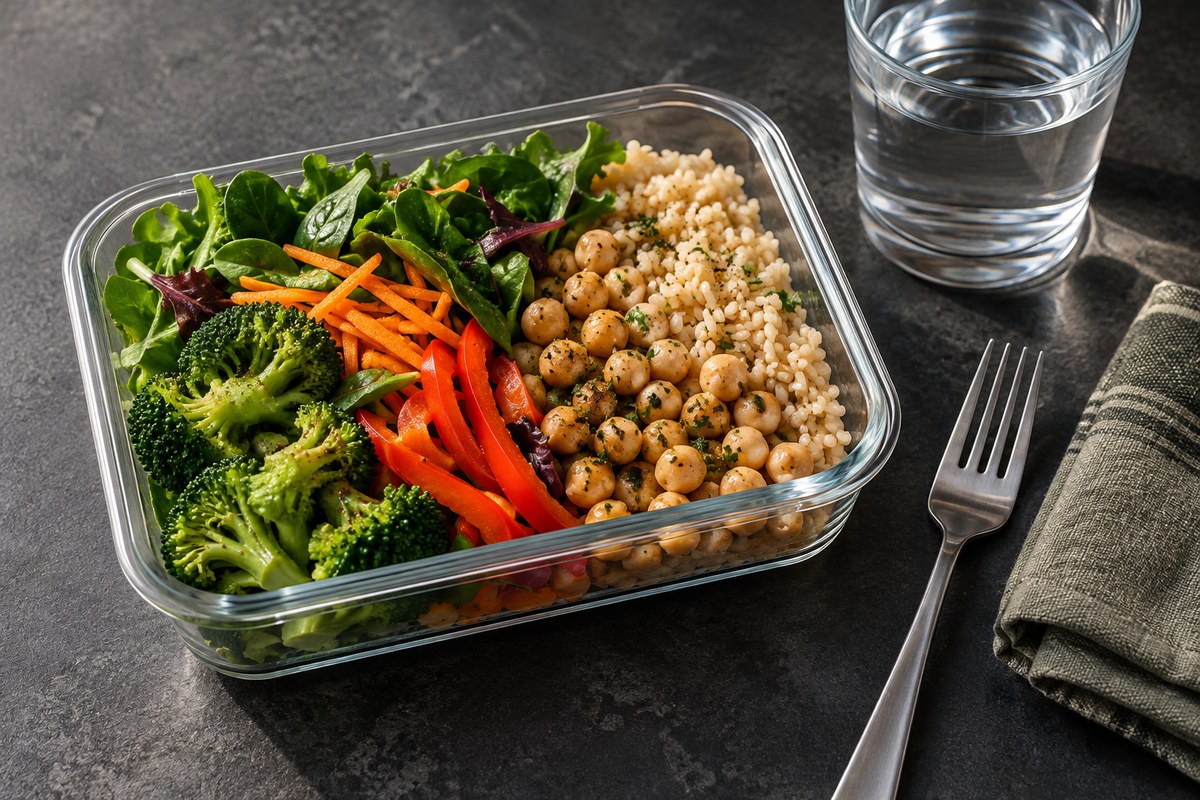
Pack rice, chickpeas and plenty of vegetables. Keep a fallback meal handy, such as a wholegrain wrap with beans and salad, plus a piece of fruit.
CDC guidance is 7–9 hours for ages 61–64 and 7–8 hours for ages 65+. Quality matters too: sleep should be refreshing, rather than repeatedly interrupted.
Keep sleep and wake times as consistent as your schedule allows.
Make your sleeping space dark, quiet and cool, and give yourself a calm wind-down.
Limit caffeine well before sleep; its effects can last up to eight hours. Avoid heavy meals and alcohol close to bedtime.
WHEN YOU WORK SHIFTS
Protect a sleep window after your shift. Use blackout curtains, reduce noise and let family know when you are resting. Keep caffeine to the first part of the shift.
Weight loss generally requires taking in less energy than you use over time. A nutritious eating pattern and portions that suit your needs can help create a sustainable approach; regular activity also supports long-term weight management.
Poor sleep can increase hunger and make food choices and activity harder. Better sleep can support your plan, but does not guarantee weight loss. Genetics, medicines, health conditions and circumstances also influence weight.
Start with one repeatable change: prepare a balanced meal, make water your default drink, or protect your sleep window. A dietitian can help adapt food intake to your health and goals.
Protein supplies amino acids used to build and repair muscle. Include protein foods across your meals: beans, tofu, eggs, fish, yoghurt or other foods that suit you. Carbohydrates help provide fuel for activity.
Sleep is also part of tissue repair and normal growth-hormone release. Keep food, sleep and easier days in your plan as you build an exercise habit.
Use the 15-minute anywhere routine on strength days and its gentle movement option between them. After a demanding shift or a poor night’s sleep, choose a lighter session or rest according to how you feel.
Include vegetables or fruit, a whole grain and a protein food.
02
Set aside your sleep window.
Work back from when you need to wake. Allow time to wind down.
03
Match movement to your energy.
Choose your routine, gentle movement or rest for the day you have.
UNDERSTAND THE BASICS. BUILD YOUR ROUTINE.
LEARN IT. PUT IT TO WORK.
Explore calories, macros, food labels and meal planning around shifts. Then discover the home and gym programmes and the plan for future personal support.